


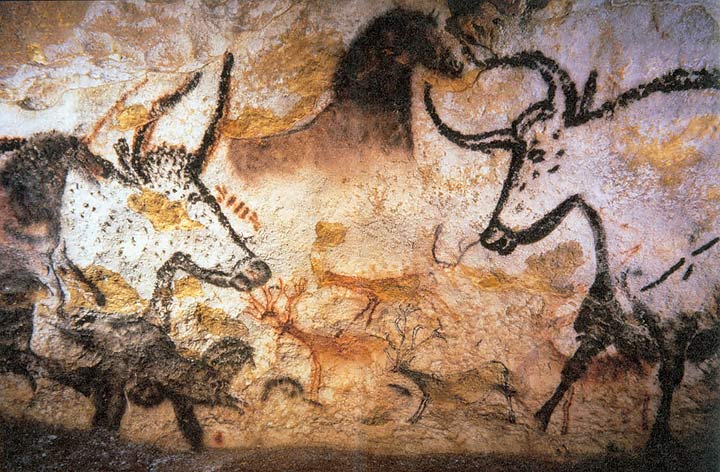
Cave paintings found in Lascaux, France are the earliest evidence of human knowledge of the healing properties of plants. These paintings suggest the use of medicinal plants in everyday life that have been carbon dated as far back as 18,000 B.C.E.
Ancient Egyptians have used aromatic oils as early as 4500 BC in cosmetics and ointments [1]. They used plant resins and oils during the mummification process such as myrrh and frankincense. Mixtures of different sources of herbal preparations such as aniseed, cedar, onion, myrrh, and grapes were used in perfume and medicine [1]. These extracts were probably macerations prepared by steeping flowers, roots, and leaves in oils.
The use of aromatic oils was first recorded in traditional Chinese and Indian medicine between 3000 and 2000 BC [1]. The ‘Yellow Emperors Book of Internal Medicine’ dates back more than 2000 years B.C and records the use of Sandalwood by Chinese physicians to treat cholera.
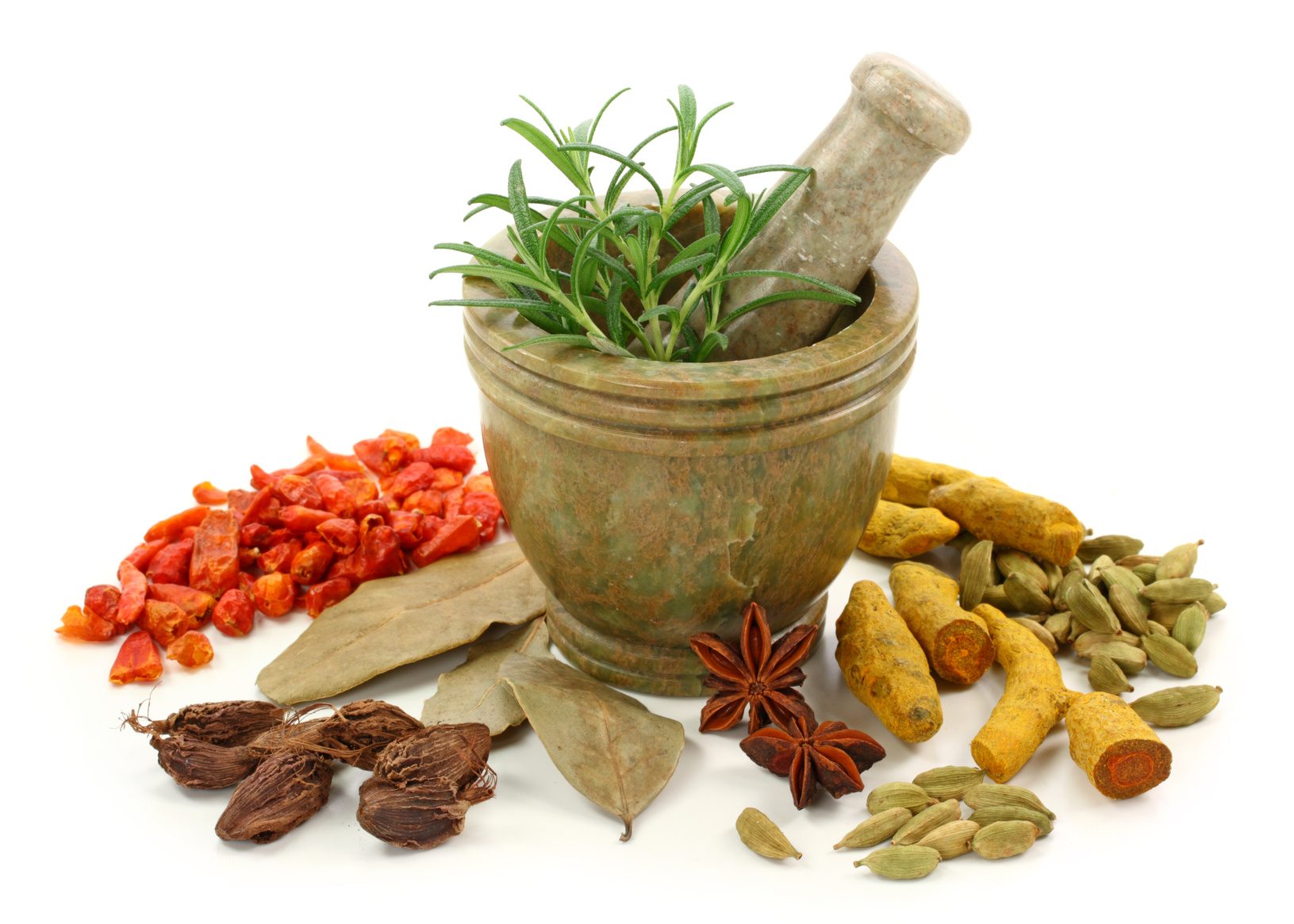
Traditional Indian medicine called “Ayur Veda” has a 3000-year history of incorporating aromatic oils into their healing potions. Vedic literature lists over 700 aromatic oils including cinnamon, ginger, myrrh and sandalwood as oils used for healing.
Greek history documented the use of different EOs for the first time between 500 and 400 BC, including thyme, saffron, marjoram, cumin, and peppermint [2]. The Greek physician Hypocrites (460-377 B.C.E.), known to us as the “Father of Modern Medicine” was a proponent of the use of aromatic oils and he wrote “a perfumed bath and a scented massage every day is the way to good health.” He also documented the effects of some 300 plants including thyme, saffron, marjoram, cumin and peppermint.
In most ancient traditions, plants and their resinous products were used directly without any means of processing. The Arabs were the first to distill ethyl alcohol from fermented sugar, thus providing a new solvent for the extraction of aromatic oils in place of oil maceration that was used for several millennia. Essential oils are the product of steam and/or water distillation or cold processing. Hence the oils used prior to the introduction of these methods were, strictly speaking, not essential oils but aromatic oils.
The knowledge of distillation spread to Europe during the Middle Ages, and the isolation of essential oils by distillation was described during the 11th to 13th centuries. Ali-Ibn Sana (980 -1037 A.D.) wrote books on the properties of 800 plants and their effects on the human body and is also credited for being the first person to discover and record the method of distilling essential oils many of which are still in use.

In 1653 Nicholas Culpeper wrote ‘The Complete Herbal’ which describes many conditions and their remedies based on herbs and essential oils that are still appropriate today.
By the middle of the 18th century in Europe, about 100 essential oils had been produced following the booming spice trade (cardamom, nutmeg and cinnamon) with the Orient. However, very little was known about the therapeutic nature of these oils.

As chemical knowledge expanded in the late 1800s and early 1900s, many well-known chemists took part in the chemical characterization of essential oils. Chemists began documenting the active components of medicinal plants and identifying many substances such as caffeine, quinine, morphine, and atropine, which are considered to play an important role in their biological effects [3]. Apothecaries started to add essential oils to their herbal remedies and Eau de Cologne was invented containing Rosemary, Bergamot, Neroli and Lavender essential oils.
During the First World War, in 1910, a French chemist and perfumer Rene Maurice Gattefosse was working in his laboratory when he burnt his hand. He applied lavender oil to the wound which not only immediately eased the pain, but helped heal the hand without any sign of infection or scarring. Following this discovery, Gattefosse went on to treat soldiers with essential oils in military hospitals during World War 1. Gattefosse’s book “Aromatherapie” was published in 1928 in which he details cases of essential oils and their healing capabilities.
Reference


 Chinese
  English